0/5
(0 Reviews)

Worldwide, HTTP websites are transitioning to the more secure HTTP Secure. This shift transcends mere digital trend-following. Its purpose is to enhance browsing safety and elevate a site’s credibility. Danny Brown’s observation underscores the significance of this move:
90% of people trust their peers on social networks, while only 15-18% place their trust in brands.
When Google said that sites running on HTTPS with an SSL key certificate would get a ranking boost, businesses have been increasingly curious about making this change. It’s important to weigh the pros and cons. Before discussing them in detail, here are some basics:

Hyper Text Transfer Protocol Secure (HTTPS) represents the secure variant of HTTP. Google defines it as an internet communication protocol that safeguards the integrity and confidentiality of data exchanged between the user’s computer and the website. HTTPS employs the Secure Sockets Layer (SSL) encryption protocol to scramble sensitive data, rendering it indecipherable to malicious actors.
Secure Sockets Layer encrypts your connection to prevent anyone from eavesdropping or peering into confidential information (e.g. social insurance numbers, credit card numbers, login credentials). In brief, your connection to and from the web server is absolutely private.
For this communication to remain secure, you need an SSL certificate. It is a data file containing your company profile, domain name, the issuing CA, and the certificate’s expiration date. So, when you access a website, the browser checks the validity of the SSL certificate. If the check is successful, it displays a “lock” icon in the address bar. Otherwise, a warning will be shown on the page. The padlock is a security indicator for online users to trust the website.
Now that’s covered, it’s time to weigh possible challenges and favorable impacts.
Provided your server is up to date, performance issues may not be a concern if you switch. Still, it’s worth taking careful steps before the move. Gear up your HTTP site for proper transition; otherwise, site delays/downtime might become a real issue.

HTTPS migration follows a painstaking timeline. To ensure a successful switch, start with smart planning. Look into your website structure, dissect each section, and scrutinize every detail to avoid irrelevant redirects. Redirect issues only happen when the switch is not implemented properly.
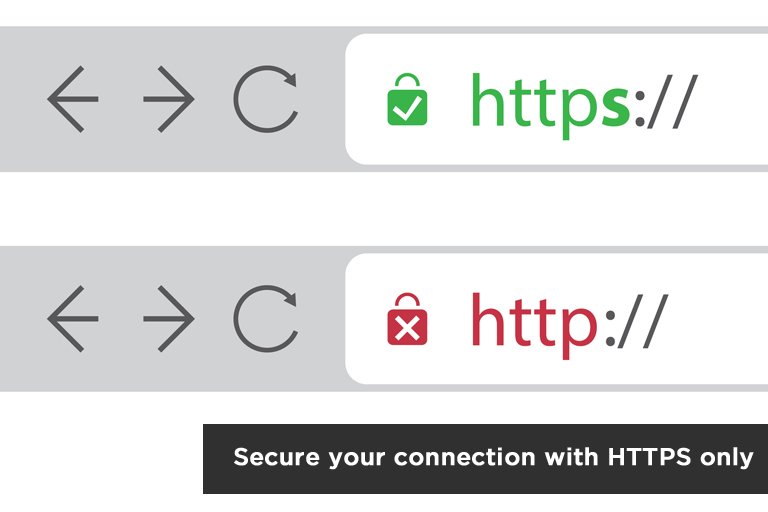
This may cause unnecessary confusion, especially to a site’s visitor. When your HTTPS connection loads an insecure script in the background, this results in an error message: “This page is trying to load scripts from unauthenticated sources.” This puts your site in a bad position of being susceptible to third-party attacks.
The solution is to migrate the sitewide to HTTPS. You can enable HSTS (HTTPS Strict Transport Security) to ensure that your scripts (HTML, Javascript, CSS) will only run on HTTPS, provided they are switched over to HTTPS.
Acquiring an SSL certificate costs up to hundreds a year.
When your website displays a green security indicator and a padlock icon in the address bar, this acts as a visible commitment to customer safety. It serves as a powerful visual statement of your brand’s security, significantly enhancing a client’s trust. Trust, an invaluable asset for any business, is key to fostering repeat patronage.
Juliana Vergara eloquently puts it:
Trust is a currency; you can’t afford not to invest in it.
– Authentication
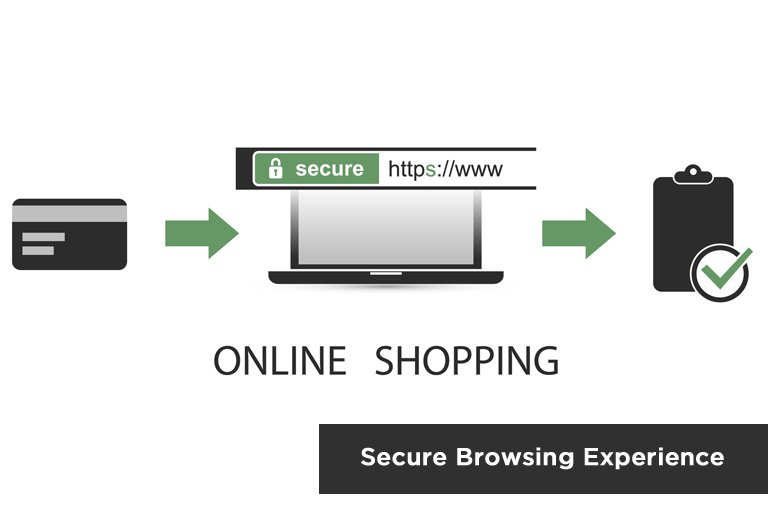
Installing an SSL certificate is essential for all businesses, big or small, to add security to online transactions. It verifies the identity of the website being accessed to secure the transmission of sensitive information between the customer and the server.
– Secures Integrity of Data
Without SSL, everyone’s online activities are readily accessible for data tampering and phishing. For this reason, a key certificate will help shield everyone from malicious attacks.
– Guards Against Data Breaches
SSL encrypts all online transactions (browsing history, credit/debit card numbers, social insurance number, passwords, etc.). With data encryption, confidential data will appear as garbled texts to the interceptor.
As previously mentioned, Google gives a perk to sites running on HTTPS/SSL: Increased visibility and SEO. But when it comes to search ranking, the real deal remains your site’s content quality score.
Are you ready to make the security switch? Avoid missteps by calling Local SEO Search at 1-877-689-5268. We are your professional resource to ensure a smooth transition to HTTPS.