0/5
(0 Reviews)
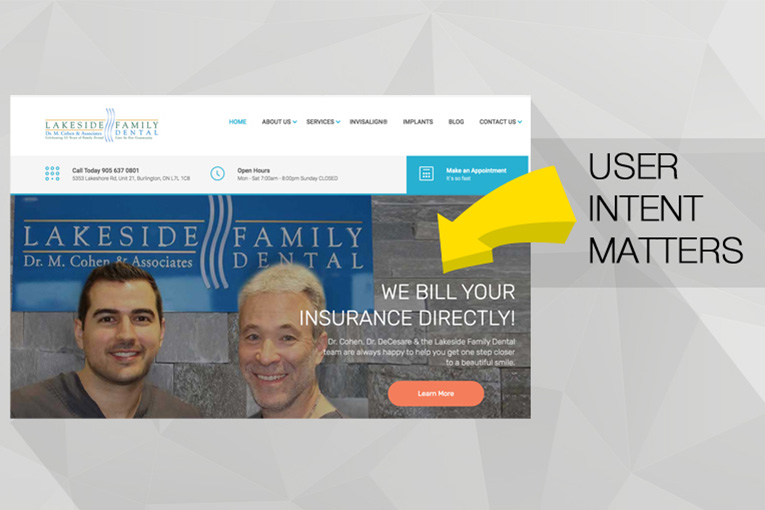

A landing page helps turn visitors into customers. It’s like a virtual salesperson, convincing people to buy what you offer. But making a great landing page isn’t easy. Many businesses find that just one or two pages don’t bring in enough leads.
Research says having 10 to 15 landing pages can boost leads by 55%. So, when you make a landing page, think about your audience and how your offer solves their problems. Keep it clear, concise, and valuable. That way, you’ll get more customers and grow your business.
In this post, we give you simple yet effective ways to optimize your landing pages so that they move the needle for your conversion rates.
Your pages might not be converting for a few reasons. One of the main ones is not fully understanding what your customers want. Before you start tweaking your landing page, know what your visitors are seeking, what problems they’re facing, what they expect, and what results they’re hoping to achieve. Understanding these aspects can guide you in making effective changes that resonate with your audience and boost conversions.
Other factors that can lead to poor conversion rates are:
It takes a thorough assessment of a landing page to be able to spot these mistakes. Upon identifying the exact reasons that are keeping your pages from converting, you need to address these issues by optimizing your landing page.
Note that you don’t need to overhaul your existing pages to increase your conversions. Most of the time, you just need to change an element or two and see if they make a difference in the results moving forward. Keep on analyzing your data, make the necessary tweaks along the way, and monitor the progress.
Not sure where to begin? Below are basic steps to optimize your landing page for the buyers you want to attract.
Make it very easy so that whoever arrives at your landing page (service page, homepage, ad campaign page) can get what they’re looking for and do something with that information.
Get your message across very quickly. Tell your readers what you offer including the benefits they can get from it.
“Include your contact information to increase trust and conversions.” – Neil Patel
Put your contact number at the top right-hand corner of every page on your website. Make sure there’s multiple Calls to Action on every page.
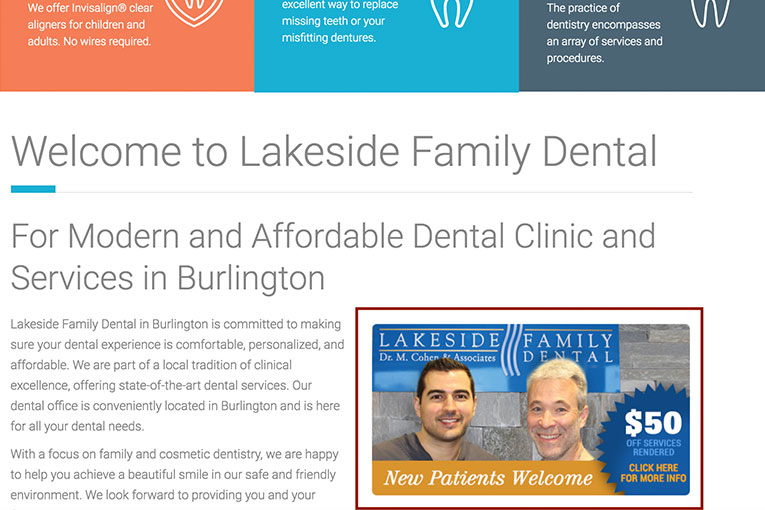
Place social buttons on your website that lead people to your social media pages when clicked. Whether it’s to your Facebook, Twitter, Instagram, Pinterest, or LinkedIn, make sure site visitors can get directed to your socials from your website with ease.
Hammer on your message right away through your headlines. You’ll want to tell your visitors immediately what you’re offering. What is the key message that you want them to take away?
People may have doubts or worries about your product or company when they click on your website. Alleviate these feelings and reassure your site visitors through your headlines. It will make them feel at ease and will increase the chances of them trusting your company when they are made aware of the value they’re getting right at the onset.
Potential customers will want to get a sense of your service delivery through previous customers’ experiences before they decide to purchase from your company. To establish trust, you must go hard on your social proof.
“88% of consumers trust testimonials and reviews.”
Reviews and video testimonials from satisfied customers, as well as publishing case studies on a particular customer issue that your product has solved, are a great way to build your credibility.
Prominently display social proof on your homepage to directly answer visitors’ queries and to create a good impression immediately. You might also want to place a Contact Us button or form right next to your review or video testimonial to make it easier for your prospective customers to reach out to you.
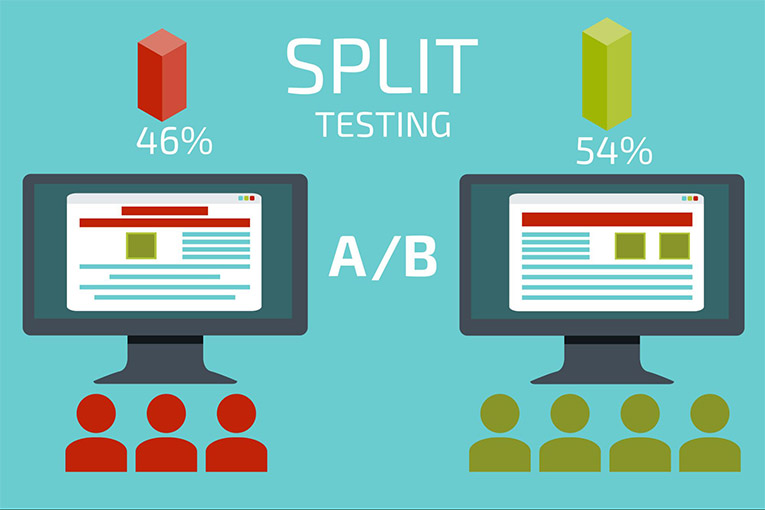
To ensure your landing page is effective in achieving your goals, it’s crucial to assess its performance. A/B testing, also known as split testing, is a powerful tool for this purpose.
A/B testing involves comparing two versions of a webpage or any marketing asset to measure their impact on conversion rates. Essentially, it’s about experimenting with different elements to see which version resonates better with your audience.
You can experiment with various components such as headlines, content, fonts, colours, graphics, and keywords to see how they influence conversions. The key is to focus on one element at a time during testing to accurately identify what drives results.
Research shows that 60 percent of companies find A/B testing highly valuable for optimizing conversion rates. This statistic underscores the importance of incorporating A/B testing into your marketing strategy.
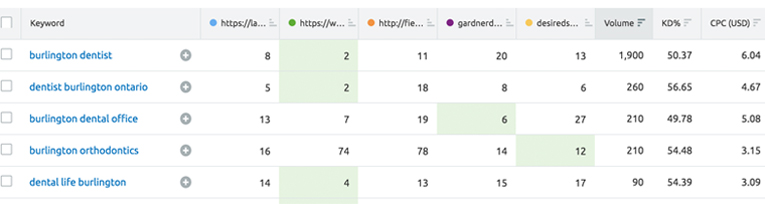
We don’t recommend overloading your page with dozens of keywords. The key is to optimize your landing page with relevant topics and search terms that your target customers are using to find your products. To be more specific, aim for terms and related topics people use to describe your products.
There’s more to landing page optimization than what’s covered in this post. When you need a team of capable web designers, content writers, SEO specialists, and graphic designers to help you build a high-quality landing page that converts, we can help you.
Local SEO Search can support you in all your digital marketing needs and more. We’re a tight-knit team of digital marketing enthusiasts whose goal is to help small businesses establish a solid presence and get found by their customers online.
Ready to get started? Contact us today for a FREE consultation!